Chile’s Novandino Litio seeks environmental approval for $3B Atacama lithium project
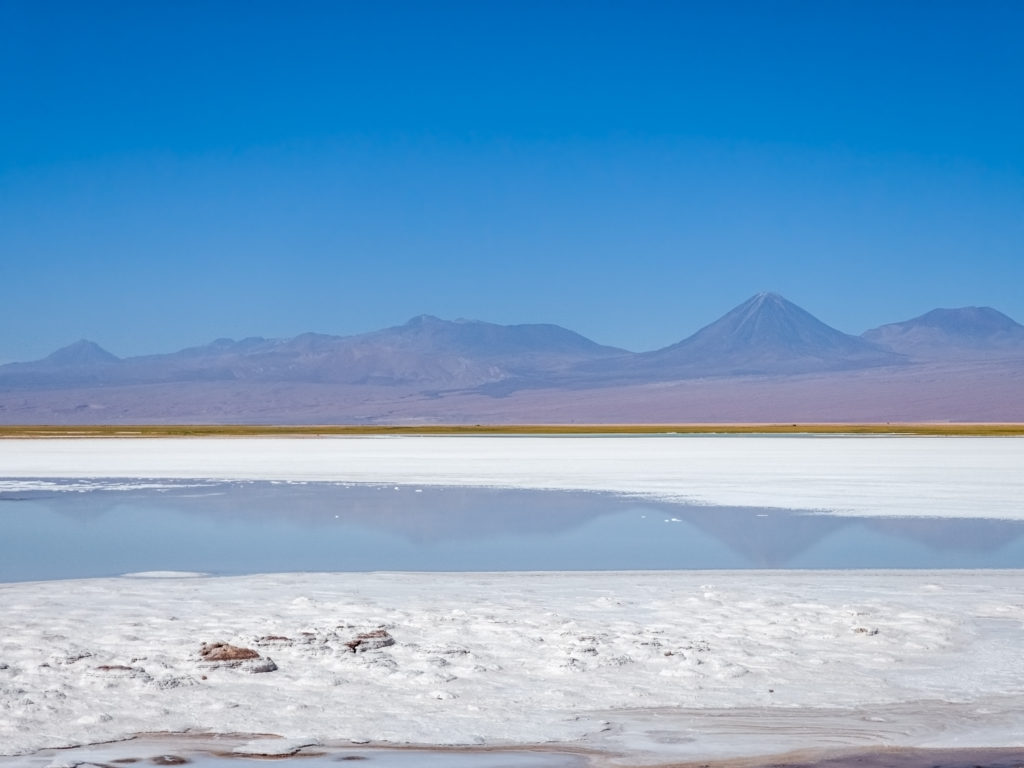
Novandino Litio, the joint venture between Chilean lithium producer SQM and state-owned copper miner Codelco, filed for environmental approval on Friday for a $3 billion project aimed at extending lithium production in the Atacama salt flat until 2060, a regulatory filing showed.

The “Operational Continuity and Future Mining Development Project in the Atacama Salt Flat” is part of the SQM-Codelco partnership, forged under Chile’s plan to boost state involvement in the lithium sector, a critical source of battery materials for electric vehicles.
The project would maintain current operations while gradually introducing new infrastructure and technologies aimed at improving efficiency in lithium production, as well as the extraction of potassium salts and other brine-derived products.
The plan calls for a gradual shift to new processing technologies aimed at reducing freshwater use from company-owned wells, while improving resource efficiency through treated brine reinjection and enhanced environmental monitoring.
SQM CEO Ricardo Ramos said in May he expected final approval for the initiative to be secured in 2029, with investment beginning in 2030.
(By Fabián Cambero and Fabiola Arámburo; Editing by Alexander Villegas)
SQM-Codelco Venture Targets 70% Lithium Output Surge in Chile
Chile's two biggest lithium players, SQM and state-owned Codelco, are laying the groundwork for a major expansion that could lift production from their joint venture by more than 70%.
In an environmental impact study tied to a planned $3 billion overhaul of operations in the Atacama Desert, the Novandino venture said it is targeting annual lithium production of up to 470,000 metric tons, compared with guidance of roughly 270,000 tons for 2026.
The project is designed to capitalize on expected long-term growth in lithium demand as electric vehicles and grid-scale battery storage continue expanding globally. If achieved, the higher output would further cement Chile's position as one of the world's most important suppliers of battery materials and could add pressure on higher-cost producers elsewhere.
However, the increase will take years to materialize. Under the current development plan, production is expected to rise gradually to around 300,000 tons before the venture begins a seven-year transition to an integrated production system that includes direct lithium extraction (DLE) technologies.
Analysts said the 470,000-ton target was larger than many in the industry had expected because the project had previously been presented primarily as an environmental modernization effort rather than a major capacity expansion.
Benchmark Mineral Intelligence analyst Federico Gay said reaching that level would require additional engineering work, further studies, potential changes to production quotas, and successful deployment of DLE technologies aimed at reducing water consumption in the Atacama salt flats.
"It will take several years, certainly not this decade, to achieve that capacity," Gay said.
The SQM-Codelco partnership is a cornerstone of Chile's strategy to increase state participation in lithium production while expanding output from the country's world-class brine resources.

No comments:
Post a Comment