China aluminium output hits record high in August with capacity cap in sight
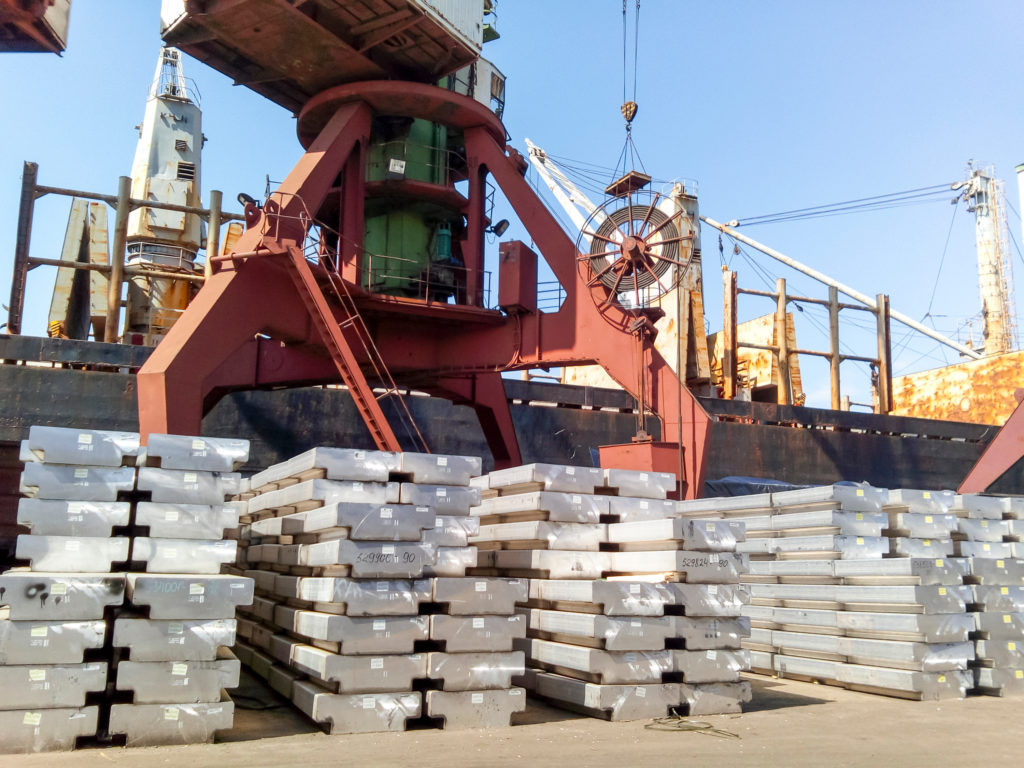
China’s aluminium production hit a record high in August, data showed on Tuesday, as strong margins encouraged smelters to maximise output despite a longstanding national capacity cap.

Production rose 4.7% from a year earlier to 3.98 million metric tons, data from the National Bureau of Statistics showed.
Output in the world’s top aluminium producer increased from just below 3.9 million tons in July and was close to the previous monthly high of 3.979 million tons recorded in June.
In the first eight months of the year, China produced 31.12 million tons, up 3.9% from the same period last year.
At that pace, output would annualise at about 46.7 million tons, well above the country’s 45-million-ton capacity ceiling. China has maintained tight controls on aluminium smelting capacity since 2017.
China produced 45.02 million tons of primary aluminium in 2025, up 2.4% from a year earlier.
Higher output has been supported by strong margins amid higher prices following supply disruptions in the Middle East by the war.
Benchmark three-month aluminium CMAL3 gained nearly 8% so far this year, and was up 1.82% in August.
Production of 10 nonferrous metals, including copper, aluminium, lead, zinc and nickel, rose 1.6% from a year earlier to 7.1 million tons in August. Output of the 10 metals in January-August increased 2.9% to 55.58 million tons.
(Reporting by Dylan Duan and Lewis Jackson, Editing by Louise Heavens)
Metalshub, Hindalco launch digital bidding process for spot alumina sales
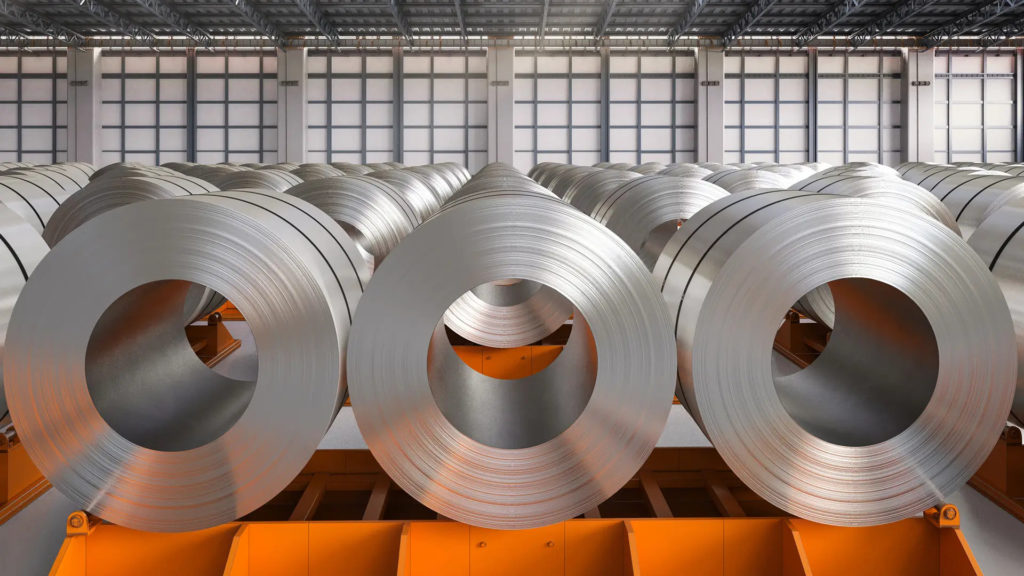
Digital platform Metalshub said on Tuesday it has partnered with Hindalco Industries (NSE: HINDALCO) to launch a digital tendering process for spot alumina sales, with the first tender expected between October and December 2026.
Hindalco partnered with Germany-based Metalshub to use structured, competitive digital bidding for metallurgical-grade alumina spot sales.
Alumina, the main raw material used to make aluminium, is mostly sold through long-term contracts rather than on the spot market. Spot assessments are often based on surveys, not confirmed transactions, Metalshub said.
The companies said the process would allow a wider pool of qualified buyers to submit confidential bids through competitive request-for-bid events.
The platform generates transaction data from competitive bidding, the release said, adding that digitalisation has increased liquidity and improved commercial outcomes in markets including lithium and industrial minerals.
Metalshub is also working with the London Metal Exchange and Commodity Pricing and Analysis Ltd (CPAL) on transaction-based price discovery for critical raw materials, including alumina, it said.
(Reporting by Vedika Thorat in Bengaluru; editing by David Gaffen)
Guinea discussing alumina, energy investments with Glencore after bauxite deal, minister says
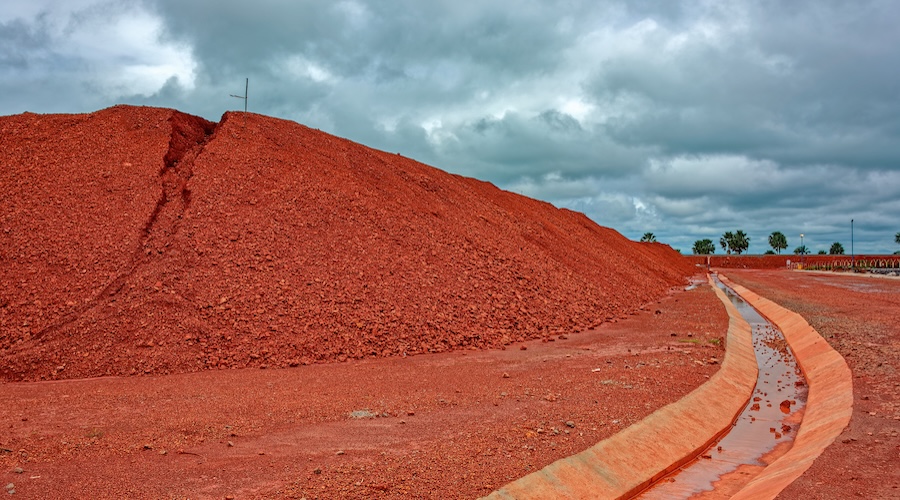
Guinea is discussing investment opportunities with Glencore (LON: GLEN) in alumina refining and energy projects beyond last week’s bauxite marketing deal, its mines minister said, as it seeks to diversify its funding sources and export markets beyond China.
Guinea’s state-owned Nimba Mining and diversified miner and trader Glencore last week signed a more than $300 million bauxite pre-financing and offtake agreement, giving Glencore a significant foothold in Guinea, home to some of the world’s largest bauxite reserves.
Under the terms of the deal, the Swiss commodities giant will market 10-12 million metric tons of the aluminium feedstock annually over the next five years, the companies said.
Guinea’s Mines Minister Bouna Sylla said the agreement could be a springboard for Glencore to invest more broadly across the country’s aluminium sector as Conakry pushes to develop domestic processing capacity.
“Glencore has indicated strong interest in growing its business in Guinea, and we are equally interested in expanding the partnership,” Sylla told Reuters over the weekend.
“Based on this agreement, we will develop the partnership with Glencore beyond bauxite, including alumina refining, energy and other strategic investments.”
Glencore declined to comment further.
More than 70% of Guinea’s bauxite exports go to China
Guinea overtook Australia as the world’s largest bauxite producer in 2023 and began iron ore exports from the giant Simandou project in 2025.
More than 70% of its bauxite exports go to China, while Chinese-linked firms hold a controlling interest in Simandou. The project’s other owner is Rio Tinto (LON, ASX: RIO), with which Glencore held merger talks earlier this year.
Sylla said the Glencore agreement and the recent settlement of a long-running dispute with Middle East aluminium and alumina producer Emirates Global Aluminium fit into a broader strategy to diversify partnerships while maintaining strong ties with China.
“China remains an important partner, but Guinea also wants stronger links with the Middle East and other regions,” he said.
(Reporting by Maxwell Akalaare Adombila; Editing by Clara Denina and Jan Harvey)

No comments:
Post a Comment