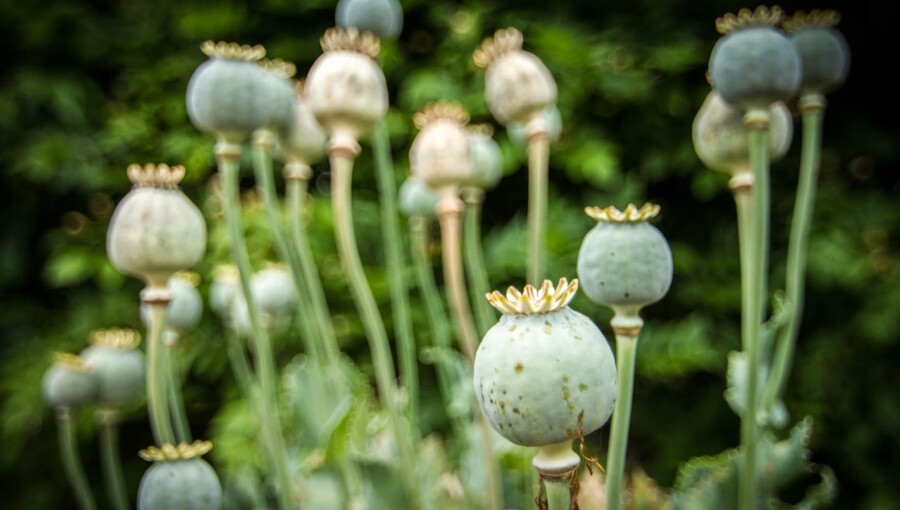
Opium poppy cultivation in Afghanistan more than quadrupled in 2026, the United Nations Office on Drugs and Crime (UNODC) said, but the country's Ministry of Interior dismissed the findings and insisted cultivation had been cut to almost zero, Pajhwok reported on October 29.
The survey, released in Kabul, records the first significant rise since narcotics were banned in 2022. Cultivation and output both remain below levels seen before the prohibition. UNODC warned, however, that early signs of a heroin shortage in Europe could drive further expansion in Afghanistan as traffickers' opium stockpiles appear to be running low.
The agency put the area planted with poppy at more than 43,000 hectares this year, up from 10,000 hectares in 2025, a rise of 330%. Estimated opium production climbed 400% to nearly 1,500 tonnes from about 300 tonnes.
"The fourfold increase in opium poppy cultivation demonstrates how difficult it is to sustain reductions in illicit opium cultivation when poor farmers lack alternative ways to provide for their families," the report said.
According to UNODC, farmers have adapted to enforcement by hiding small plots among cereal crops, planting behind walls and staggering sowing and harvest times. Afghan officials put eradication at around 22,000 hectares. Poppy growing spread to 16 of the country's 34 provinces, five more than a year earlier, with three-quarters of the total area in the north-east. Before the ban, the south-west was the main growing region.
A kilogramme of opium now sells for $500, down from $570 last year but still above pre-ban prices.
"It is essential for the de facto authorities and the international community to work together to support farming communities. This support should be strengthened through investment in alternative livelihood opportunities, basic agricultural infrastructure and access to markets," said UNODC Executive Director Monica Juma according to Pajhwok.
Mufti Abdul Mateen Qani, spokesperson for the Ministry of Interior, told Pajhwok that its counter-narcotics department rejected the report's numbers and conclusions as contrary to official data and evidence gathered on the ground.
"Relying on satellite imagery, estimates and inaccurate information from biased groups without comparing them with field data and crop-eradication records is insufficient to support definitive conclusions. The presence of a field in satellite imagery before operations begin does not mean it remains there until harvest, and it should not be used as the basis for calculating production," he said.
Qani said ministry figures showed more than 26,000 hectares were cleared in 2026, before the crops matured, leaving almost no cultivated area afterwards. He called on UNODC to disclose its data sources, satellite image dates, field coordinates, methodology and margins of error.
"The responsibility for explaining the discrepancy and correcting inaccurate information rests with the institution that published the report," he said.

No comments:
Post a Comment