From California to Illinois to Oregon, flourishing anarchist libraries are spreading knowledge and building community.
By Emily Drabinski ,
June 8, 2026
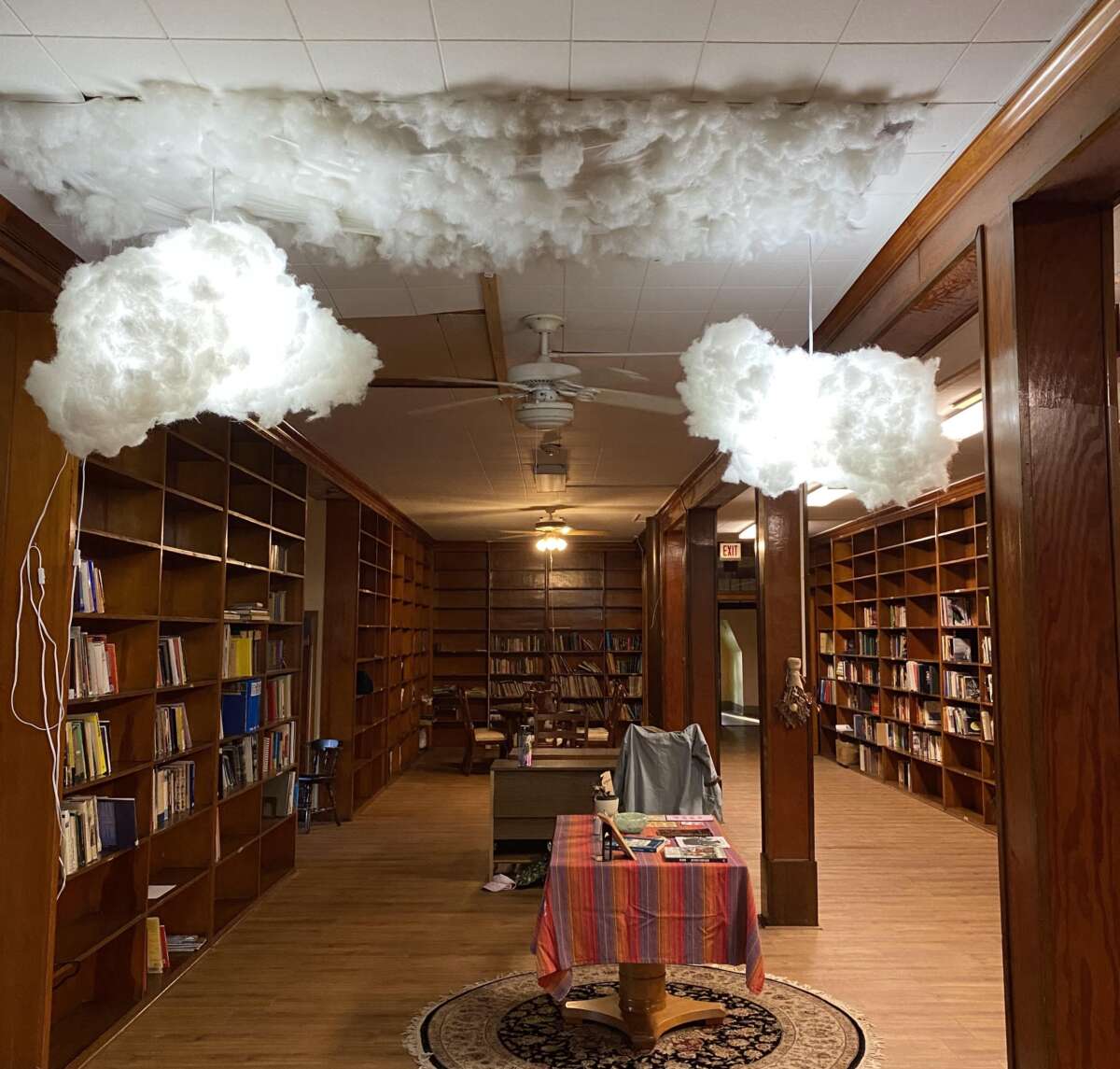
On the top floor of the building, Su Casa Liberation Library in Chicago, Illinois, is called the Cloud.
Like many urban systems, the Chicago Public Library (CPL) offers robust support for immigrant communities: collections in multiple languages, English language and citizenship classes, and voting rights events. In October 2025, as the invasion of Chicago by federal forces ramped up, the Uptown branch hosted an ICE-alert kit making event, inviting the public to assemble packets of whistles and zines informing neighbors about the violent occupation of the city.
Until Mayor Brandon Johnson signed an executive order banning Immigration and Customs Enforcement (ICE) from city-owned properties on October 6, public librarians could not legally prevent ICE agents from using their buildings. “Public libraries have to navigate their position as truly public spaces,” Lulu, a Chicago-based organizer who asked that we use only a first name, told Truthout. “When ICE was in its more intense phase, only part of the public library could be blocked off. CPL couldn’t guarantee safety.”
But Su Casa Liberation Library could come close to barring ICE. “Ours is a collectively held space, and we do not allow law enforcement on the premises,” Lulu said of the library, which is housed in a former Catholic Worker house. “While that is not foolproof, we do have the ability to have a more protected space than the public library can.”
Su Casa Liberation Library is part of a flourishing anarchist library scene that includes the Tamarack Library in Oakland, California; Legacy Library on Chicago’s South Side; and the mobile Free Society People’s Library (FSPL) in Portland, Oregon. These autonomous libraries build on the values of the traditional public library — connecting people to resources, promoting access to information — while offering collections and programming tightly linked to the political and social movements they support.
Like many urban systems, the Chicago Public Library (CPL) offers robust support for immigrant communities: collections in multiple languages, English language and citizenship classes, and voting rights events. In October 2025, as the invasion of Chicago by federal forces ramped up, the Uptown branch hosted an ICE-alert kit making event, inviting the public to assemble packets of whistles and zines informing neighbors about the violent occupation of the city.
Until Mayor Brandon Johnson signed an executive order banning Immigration and Customs Enforcement (ICE) from city-owned properties on October 6, public librarians could not legally prevent ICE agents from using their buildings. “Public libraries have to navigate their position as truly public spaces,” Lulu, a Chicago-based organizer who asked that we use only a first name, told Truthout. “When ICE was in its more intense phase, only part of the public library could be blocked off. CPL couldn’t guarantee safety.”
But Su Casa Liberation Library could come close to barring ICE. “Ours is a collectively held space, and we do not allow law enforcement on the premises,” Lulu said of the library, which is housed in a former Catholic Worker house. “While that is not foolproof, we do have the ability to have a more protected space than the public library can.”
Su Casa Liberation Library is part of a flourishing anarchist library scene that includes the Tamarack Library in Oakland, California; Legacy Library on Chicago’s South Side; and the mobile Free Society People’s Library (FSPL) in Portland, Oregon. These autonomous libraries build on the values of the traditional public library — connecting people to resources, promoting access to information — while offering collections and programming tightly linked to the political and social movements they support.
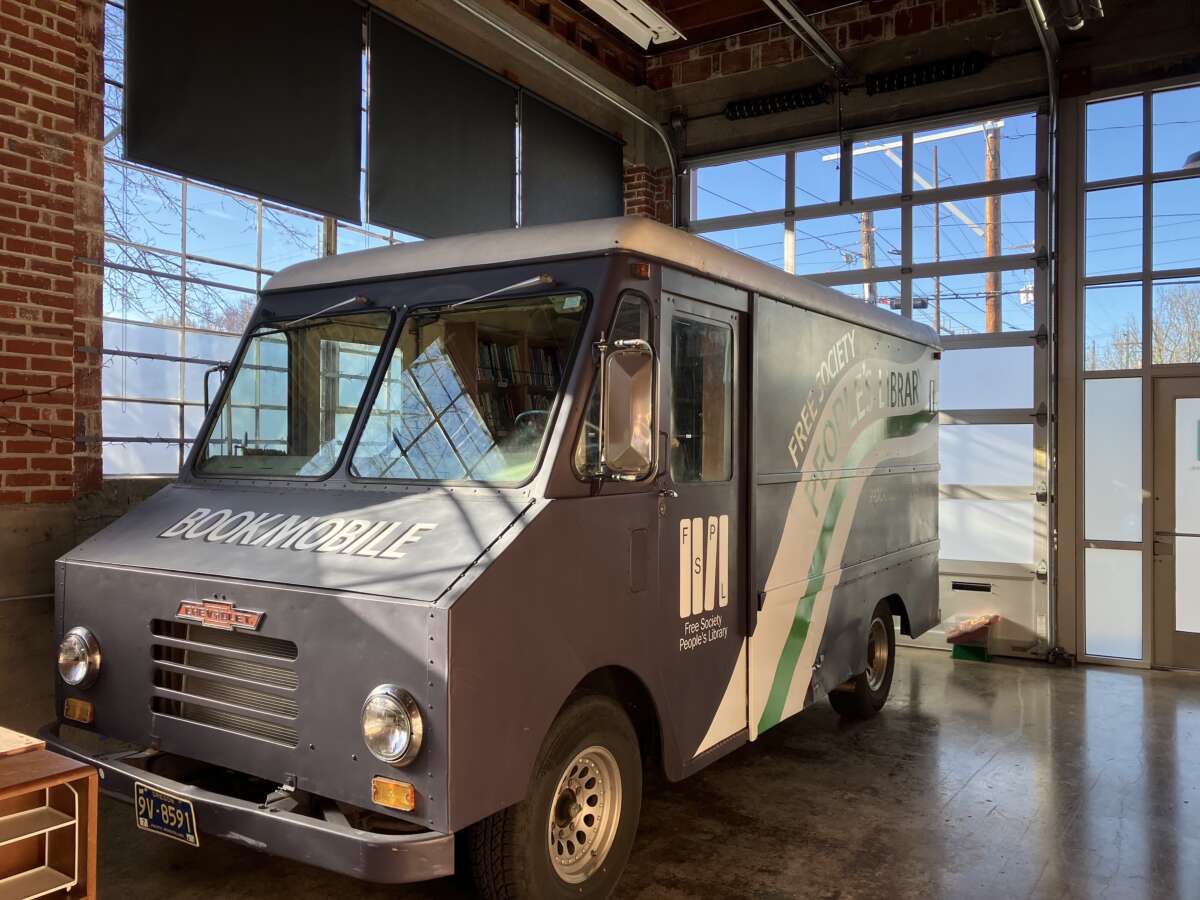
The Free Society People’s Library bookmobile sits in the garage, in Portland, Oregon.
Emily Drabinski
“People are looking for alternatives to the state,” Garrett Felber, an organizer with the Free Society People’s Library, told Truthout. “We don’t deal with censorship and bureaucracy; we have the nimbleness to just go from a phone call to a program.” Even with robust commitments to intellectual freedom, public libraries operate in political contexts that inevitably include compromise. The group Libraries and Archivists with Palestine has documented the extensive censorship of materials related to Palestinian struggles for freedom. The gaps left in collections by these public compromises are filled by the Free Society People’s Library. “I wanted to create a library where liberatory ideas are everywhere,” said Felber. Every book in the FSPL mobile library speaks to visions of collective liberation, no need to hunt among the stacks.
Interview |
Why Libraries Matter in a Fascist Moment
“If we lose this as a public good and as a free public service, we will have lost everything,” says Mariame Kaba. By Kelly Hayes , Truthout March 19, 2026
In addition to housing collections, autonomous libraries provide crucial gathering places for political work. “As a young organizer, we met in random coffee shops,” said Lulu. “But we have a different kind of surveillance now.” Autonomous libraries also provide off-ramps for people who need a break from online activism. “People get burned out with the pace and inundation of virtual life,” said Felber. Meeting in a movement library enables political education, planning, and strategy, while attending to growing data security needs. “People need to be able to meet, share ideas, strategize, plan, learn from history, in conversation with elders,” Lulu said. “That can happen here.”
“People are looking for alternatives to the state,” Garrett Felber, an organizer with the Free Society People’s Library, told Truthout. “We don’t deal with censorship and bureaucracy; we have the nimbleness to just go from a phone call to a program.” Even with robust commitments to intellectual freedom, public libraries operate in political contexts that inevitably include compromise. The group Libraries and Archivists with Palestine has documented the extensive censorship of materials related to Palestinian struggles for freedom. The gaps left in collections by these public compromises are filled by the Free Society People’s Library. “I wanted to create a library where liberatory ideas are everywhere,” said Felber. Every book in the FSPL mobile library speaks to visions of collective liberation, no need to hunt among the stacks.
Interview |
Why Libraries Matter in a Fascist Moment
“If we lose this as a public good and as a free public service, we will have lost everything,” says Mariame Kaba. By Kelly Hayes , Truthout March 19, 2026
In addition to housing collections, autonomous libraries provide crucial gathering places for political work. “As a young organizer, we met in random coffee shops,” said Lulu. “But we have a different kind of surveillance now.” Autonomous libraries also provide off-ramps for people who need a break from online activism. “People get burned out with the pace and inundation of virtual life,” said Felber. Meeting in a movement library enables political education, planning, and strategy, while attending to growing data security needs. “People need to be able to meet, share ideas, strategize, plan, learn from history, in conversation with elders,” Lulu said. “That can happen here.”
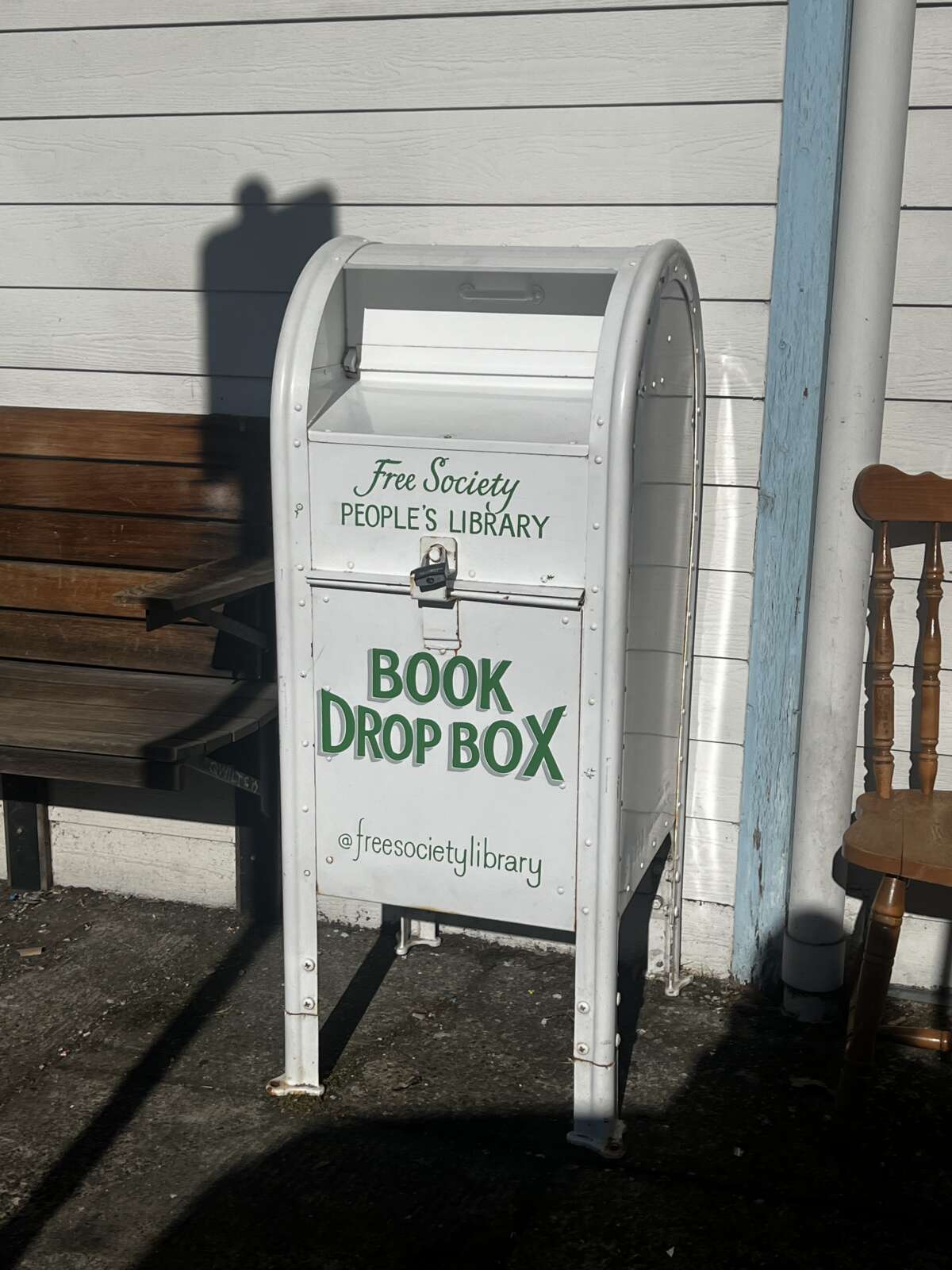
Books can be returned at the Free Society People’s Library bookmobile or at the group’s book drop in Portland, Oregon.Emily Drabinski
Felber’s library is on wheels, turning any curb in Portland into a space of radical textual engagement. Benches line the space in front of the Free Society People’s Library’s shelves, inviting people to sit, read, and learn. “We go where people already are,” Felber told Truthout, “so they can be going about their days and still come away with a radical idea.”
In the face of rising government surveillance and the suppression of left organizing, independent libraries are part of growing efforts to expand non-state alternatives including mutual aid networks, free stores, and free universities. “Overall, there’s a larger anarchist turn prompting people to think about alternative institutions outside the state,” said Felber. “It’s just natural to attach a library to it.”
This article is licensed under Creative Commons (CC BY-NC-ND 4.0), and you are free to share and republish under the terms of the license.
Felber’s library is on wheels, turning any curb in Portland into a space of radical textual engagement. Benches line the space in front of the Free Society People’s Library’s shelves, inviting people to sit, read, and learn. “We go where people already are,” Felber told Truthout, “so they can be going about their days and still come away with a radical idea.”
In the face of rising government surveillance and the suppression of left organizing, independent libraries are part of growing efforts to expand non-state alternatives including mutual aid networks, free stores, and free universities. “Overall, there’s a larger anarchist turn prompting people to think about alternative institutions outside the state,” said Felber. “It’s just natural to attach a library to it.”
This article is licensed under Creative Commons (CC BY-NC-ND 4.0), and you are free to share and republish under the terms of the license.
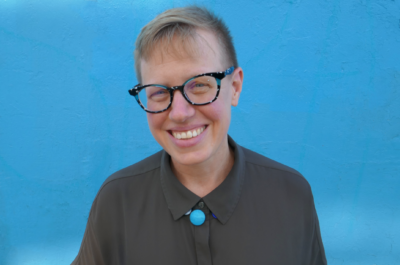
Emily Drabinski
Emily Drabinski is an associate professor at the Queens College (CUNY) Graduate School of Library and Information Studies.

No comments:
Post a Comment