(RNS) — In the 2026 midterms, the Rev. Adam Hamilton and James Talarico emphasized their Christian faith but won stronger support among nonreligious voters than among Christians.
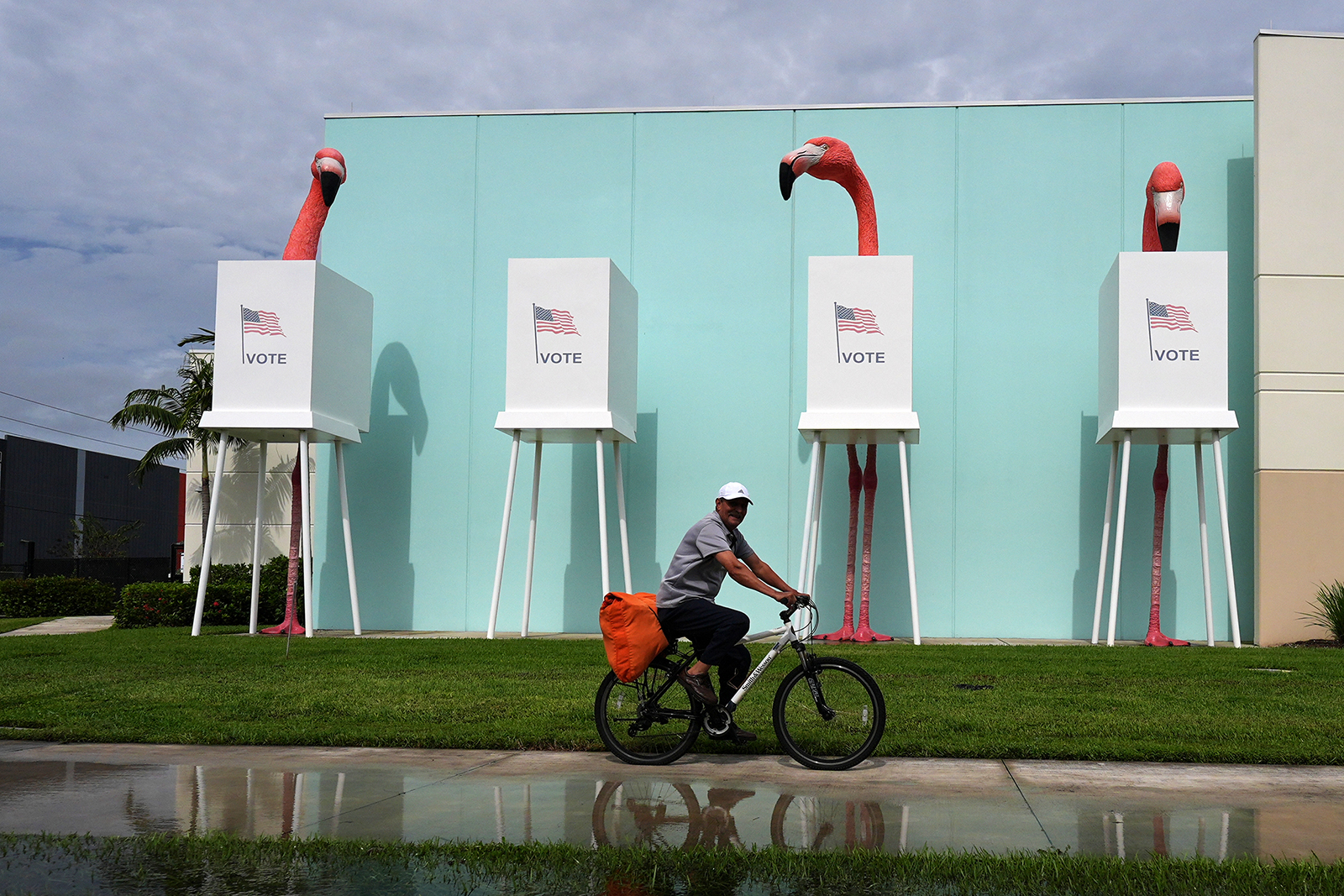
A man bikes past the sculpture "VOTE!" by Matthew Mazzotta, erected outside the Palm Beach County Supervisor of Elections office in West Palm Beach, Fla., on Election Day, Tuesday, Nov. 3, 2026. (AP Photo/Rebecca Blackwell)
Kathryn Post
November 6, 2026
RNS
(RNS) — When Kansas megachurch pastor the Rev. Adam Hamilton made history Tuesday night (Nov. 3) by becoming the state’s first Democratic senator in nearly a century, it wasn’t Protestants or Catholics who clinched him the victory — it was religious nones.
Though the Methodist pastor’s Christian principles were front and center during his campaign, he lost both Protestants (37%) and Catholics (48%) in the Kansas Senate race, according to exit polls from CNN. But he but earned support from 81% of the state’s nonreligious voters.
A similar pattern emerged in Texas. James Talarico lost Protestants (40%) and won Catholics (60%), but it was religious nones (78%) who showed up en masse for the Presbyterian seminarian. Democrat Abdul El-Sayed, who is Muslim, lost both Protestants (38%) and Catholics (41%) to Republican Mike Rogers, but he won among nones (76%) and those of non-Christian faiths (68%).
“What I saw from atheists is almost total support from them,” said atheist writer and activist Hemant Mehta, describing anecdotal support for the three candidates. “There was no drop in support, despite the fact that those guys were out and proud about their religion.”
Though exit polls are preliminary and statewide polls use a smaller sample, national exit polls, too, showed that secular voters powered Democratic gains. Seventy-eight percent of nones voted Democrat in the midterms, per CNN and NBC exit polls, compared to 40% of Protestants and 50% of Catholics.
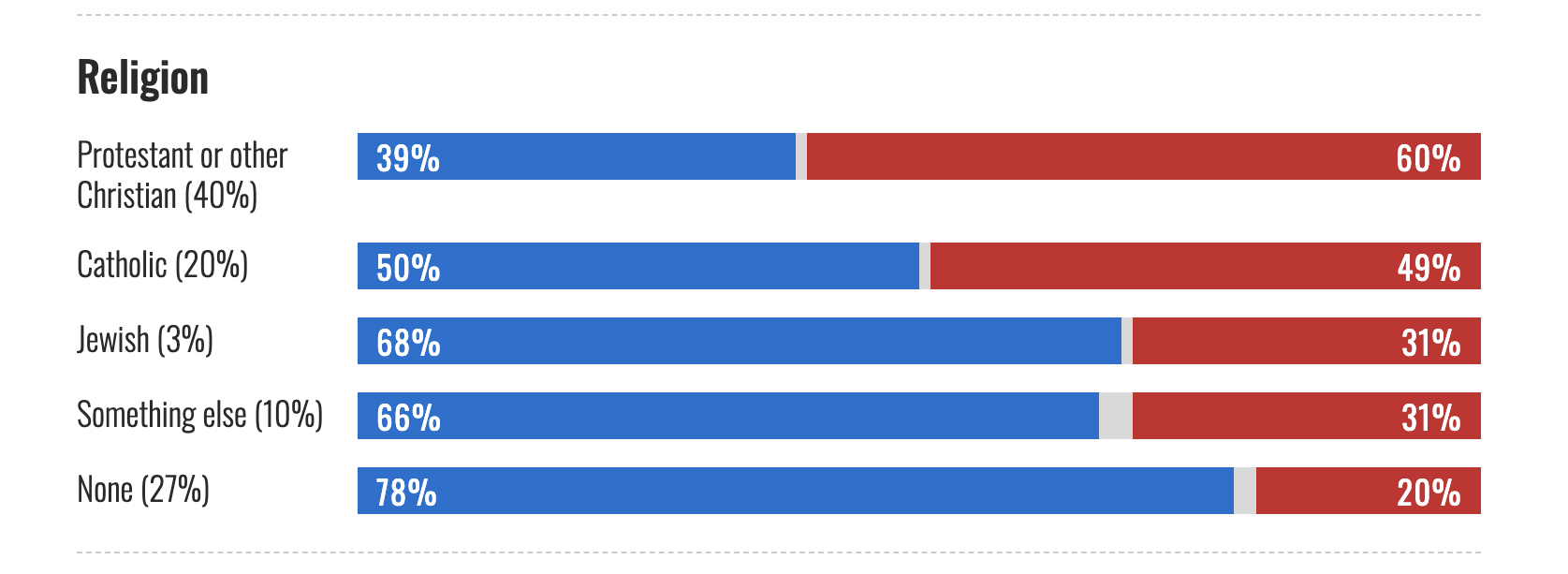
The religion breakdowns of the 2026 NBC News exit polls. (NBC News graphic)
As the number of secular voters grows, some nonreligious organizers view the group as a powerful and overlooked voting bloc. But many nones are nonpartisan and anti-institutional by nature, making them difficult to organize — or even find. As politicians look ahead to 2028, pollsters and researchers say, they’ll face the challenge of creating a blueprint for appealing to secular voters.
“There has been so few efforts of mobilizing them in the same way that candidates go to churches or recruit pastors,” said Juhem Navarro-Rivera, research director at Socioanalítica Research and cofounder of The Secular Vote.
Navarro-Rivera, who studies secularism and politics, said secular voters “punch above their weight” in the Democratic coalition. And NBC exit polls from past presidential elections show they’re a growing part of the electorate overall. In 2016, NBC found that 15% of voters were nones; in 2020, that percentage rose to 22%. In 2024, it grew to 24%, and in 2026, it was 27%.
In addition to increasing in number, they also shifted to the left by 7 or 8 percentage points in the midterms: 78% in 2026 compared to 70% in the 2024 CNN poll and 71% in the 2024 NBC poll.
Data examining the motivation behind the shift isn’t yet available. But researchers and nonreligious advocates told RNS they view the results as a rebuke of the Trump administration’s blending of religion and politics.
“I think what you saw was an incredible backlash against Christian nationalism and authoritarianism,” said Fish Stark, executive director of the American Humanist Association.
(RNS) — When Kansas megachurch pastor the Rev. Adam Hamilton made history Tuesday night (Nov. 3) by becoming the state’s first Democratic senator in nearly a century, it wasn’t Protestants or Catholics who clinched him the victory — it was religious nones.
Though the Methodist pastor’s Christian principles were front and center during his campaign, he lost both Protestants (37%) and Catholics (48%) in the Kansas Senate race, according to exit polls from CNN. But he but earned support from 81% of the state’s nonreligious voters.
A similar pattern emerged in Texas. James Talarico lost Protestants (40%) and won Catholics (60%), but it was religious nones (78%) who showed up en masse for the Presbyterian seminarian. Democrat Abdul El-Sayed, who is Muslim, lost both Protestants (38%) and Catholics (41%) to Republican Mike Rogers, but he won among nones (76%) and those of non-Christian faiths (68%).
“What I saw from atheists is almost total support from them,” said atheist writer and activist Hemant Mehta, describing anecdotal support for the three candidates. “There was no drop in support, despite the fact that those guys were out and proud about their religion.”
Though exit polls are preliminary and statewide polls use a smaller sample, national exit polls, too, showed that secular voters powered Democratic gains. Seventy-eight percent of nones voted Democrat in the midterms, per CNN and NBC exit polls, compared to 40% of Protestants and 50% of Catholics.
The religion breakdowns of the 2026 NBC News exit polls. (NBC News graphic)
As the number of secular voters grows, some nonreligious organizers view the group as a powerful and overlooked voting bloc. But many nones are nonpartisan and anti-institutional by nature, making them difficult to organize — or even find. As politicians look ahead to 2028, pollsters and researchers say, they’ll face the challenge of creating a blueprint for appealing to secular voters.
“There has been so few efforts of mobilizing them in the same way that candidates go to churches or recruit pastors,” said Juhem Navarro-Rivera, research director at Socioanalítica Research and cofounder of The Secular Vote.
Navarro-Rivera, who studies secularism and politics, said secular voters “punch above their weight” in the Democratic coalition. And NBC exit polls from past presidential elections show they’re a growing part of the electorate overall. In 2016, NBC found that 15% of voters were nones; in 2020, that percentage rose to 22%. In 2024, it grew to 24%, and in 2026, it was 27%.
In addition to increasing in number, they also shifted to the left by 7 or 8 percentage points in the midterms: 78% in 2026 compared to 70% in the 2024 CNN poll and 71% in the 2024 NBC poll.
Data examining the motivation behind the shift isn’t yet available. But researchers and nonreligious advocates told RNS they view the results as a rebuke of the Trump administration’s blending of religion and politics.
“I think what you saw was an incredible backlash against Christian nationalism and authoritarianism,” said Fish Stark, executive director of the American Humanist Association.
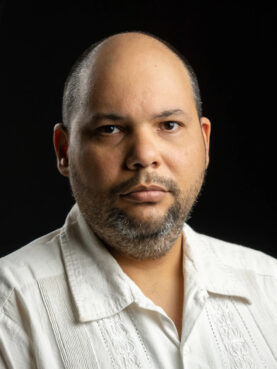
Juhem Navarro-Rivera. (Photo courtesy of The Secular Vote)
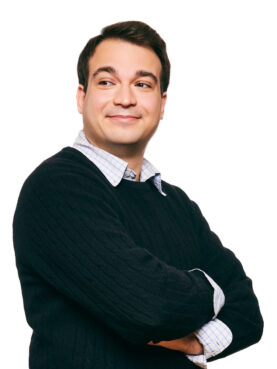
Fish Stark. (Photo courtesy of AHA)
Navarro-Rivera agreed, saying secular voters were unhappy with how President Donald Trump, Vice President JD Vance and Secretary of War Pete Hegseth had invoked Christianity to justify political decisions about the war in Iran and immigration enforcement. On a state level, Stark and others pointed to Texas Gov. Greg Abbott’s efforts to expand religion’s role in public schools through mandatory Ten Commandments displays, a law allowing school chaplains and his championing of school-voucher programs that allow public funds to be used in religious schools. In September, the Washington, D.C.-based Public Religion Research Institute found that 87% of religiously unaffiliated Americans rejected or expressed skepticism toward Christian nationalism.
“One thing we learned from this election more than others is no, Democrats are not anti-religious,” said Mehta. “We don’t like Christian nationalism. We don’t like when Republicans try to push their face on everyone else. But beyond that, who cares?”
RELATED: Catholics and ‘nones’ played key role in Democrats’ historic victory, exit polls show
Political scientist Ryan Burge hypothesized that economic factors were a driving force in the none vote. Ahead of the midterms, Pew Research Center found that 83% of religiously unaffiliated voters said the economy was very important in shaping their voting decision. “I don’t think this was an election that’s particularly about secular values or social values. I think it was an election really about affordability,” he said.
Burge, who wrote the 2023 book “The Nones,” also predicted that the most recent shift leftward among nones wasn’t due to atheists or agnostics, a strong majority of whom always vote Democrat, but a third category of people who describe their religion as “nothing in particular.” A 2024 report from Pew found that while 20% of nones said they are agnostic and 17% identify as atheist, the majority of nones (63%) fall into the more ambiguous “nothing in particular” category. And while atheists and agnostics are more predictable — they are reliably left-leaning, civically engaged, have high levels of education and income and are majority white — the “nothing in particulars” are more difficult to pin down.
“Nothing in particulars are absolutely not a definable voting bloc,” said Burge. “They’re everywhere on the map. Some are liberals, some are conservatives, some are old, some are young. Men, and women. Racially, they look like what America looks like.”
They also have fewer financial resources, Burge said, and are more likely than atheists and agnostics to be hurt by inflation.
If it’s true that the nones’ Democratic swing was due to the nothing in particulars, it may be difficult for Democrats to capitalize on, Burge added. They’re a group that’s challenging to mobilize, he said, because they aren’t a cohesive group, they don’t have a clearly identified ideology and they don’t gather.
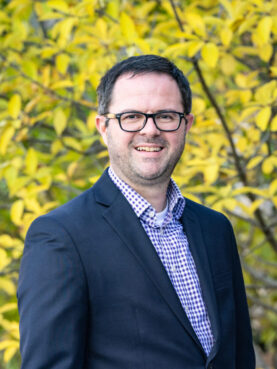
Ryan Burge. (Photo © Washington University in St. Louis)
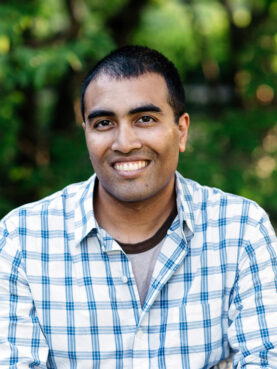
Hemant Mehta. (Courtesy photo)
But Stark was more optimistic.
He said at the American Humanist Association, he’d seen some nothing in particulars growing more open to humanist, atheist or agnostic identity. The group has been mobilizing humanists since the 2024 election, he said, funding atheist content creators and establishing dozens of humanist communities across the country, most notably in Mississippi, Texas and North Carolina. Those groups, he said, gather for movie nights and philosophical discussions and have also been active in anti-ICE efforts.
“It’s easier to organize people when they have a strong sense of community and identity,” said Stark.
Looking ahead to 2028, Steven Emmert, executive director for the Secular Coalition for America, told RNS earlier this week that now that the nones are closing in on 30% of the electorate, people running for office can’t overlook them
Burge worried that Democrats could learn the wrong lesson from the midterms and back religious candidates that could alienate nonreligious voters in places like Massachusetts, California and Oregon. But Stark and Mehta argued that the midterms were evidence that nones aren’t opposed to candidates of faith; they’re just opposed to people who want to impose their faith on others. In fact, they argued, backing the separation of church and state is one of the most effective ways to appeal to nones.
“I don’t think many nonreligious people see the fight in terms of people who believe in God and people who don’t,” said Stark, “but people who want to protect our freedom to believe what we want to believe, and people who want to force belief on us.”

No comments:
Post a Comment