How can the EU support 50 million Europeans who can’t heat their homes?
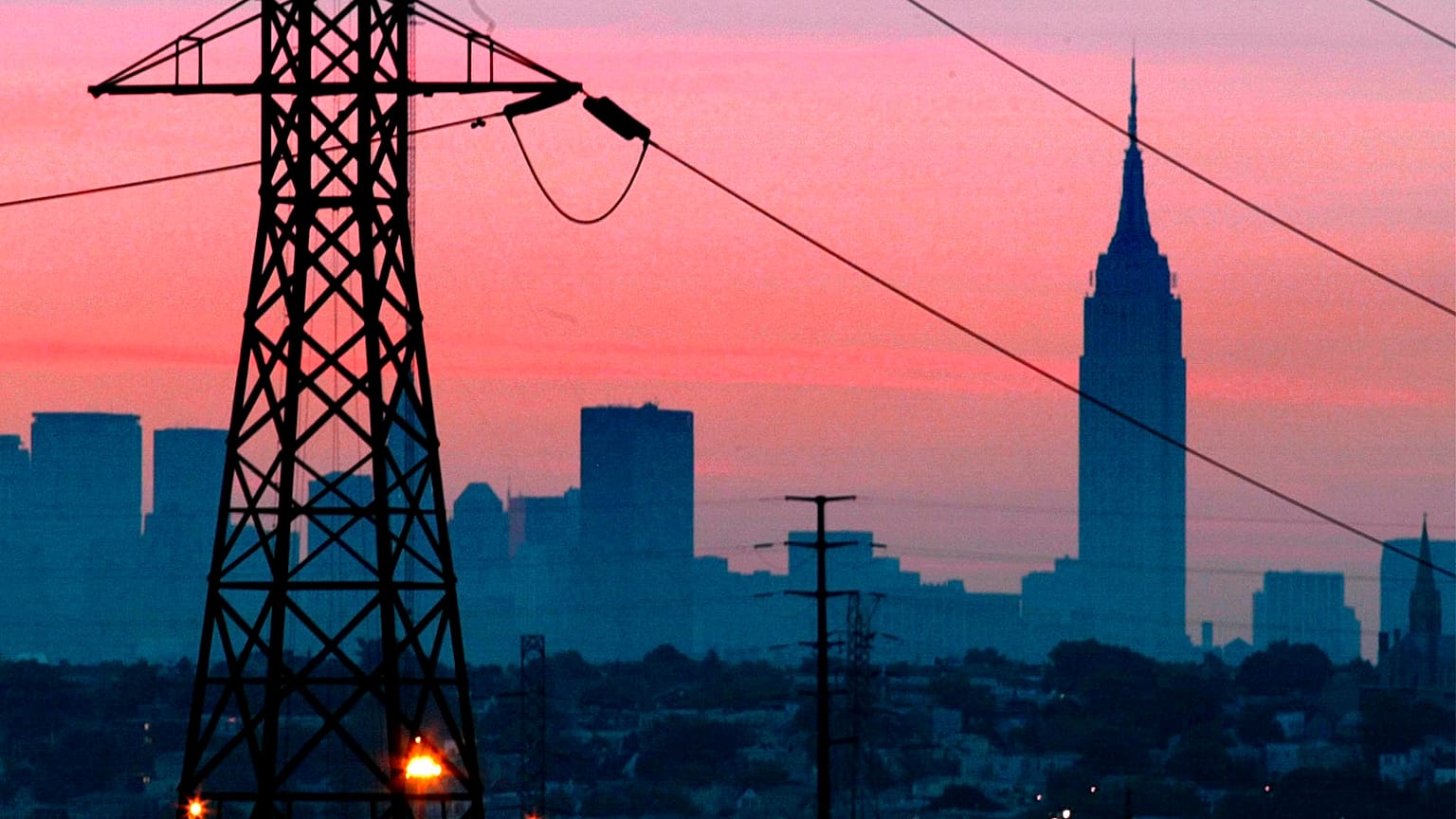
On October 29, EU energy ministers met in Luxembourg to address the severe winter energy affordability crisis. Driven by conflicts in the Middle East and the war in Ukraine, wholesale gas prices have surged to nearly €100 per megawatt-hour.
EU Energy Commissioner Dan Jørgensen has warned that nearly 50 million Europeans cannot adequately heat their homes. Although the EU does not anticipate oil or gas shortages, the main threat is an economic shock that could make basic utilities unaffordable.
Geopolitical tensions, including Russia’s war against Ukraine and instability in the Middle East, have left EU gas reserves at just 75% of capacity, down from 83% last year. Between 2021 and 2023, 62% of companies reported operational bottlenecks due to volatile energy costs, while 80% of EU enterprises faced supply-chain constraints or reorganisation.
Despite these pressures, the meeting ended in deadlock, with no agreement on protecting consumers. Ministers split over a European Commission proposal to raise gas taxes to promote green energy, with 13 countries, including Germany and Italy, demanding its withdrawal to protect low-income citizens.
A ban on Russian LNG remains on track for January 2027, while countries like Italy are pursuing independent price caps. Amid market volatility, the Council has delayed further action and is eyeing a compromise in December 2026.
Blocks to cheap energy: Russia and the Middle East
Europe's energy markets are tightening as gas prices recently climbed above €97 per megawatt-hour, their highest level since 2022.
Russia used to supply approximately 45% of EU gas imports. But following its invasion of Ukraine, the figure fell to around 12% by 2025, forcing European countries to buy more gas from suppliers such as Norway, the US and Algeria. The expiry of the Russia-Ukraine gas transit agreement on 31 December 2024 ended a route that carried around 15 billion cubic metres of Russian gas in 2024.
The bloc had to replace much of its cheap Russian pipeline gas with more expensive liquefied natural gas (LNG), leaving prices exposed to international competition and geopolitical tensions. Europe also competes with major Asian importers for supplies, meaning rising demand and global disruptions can quickly push up European prices
The Middle East war is worsening the situation. The Strait of Hormuz carries almost 20% of global LNG supplies, but after the war broke out, shipping disruptions reduced exports from major producers such as Qatar and the United Arab Emirates. According to the International Energy Agency, LNG shipments from these countries fell by approximately 35 billion cubic metres between March and June 2026, compared with the same period a year earlier.
According to Gas Infrastructure Europe, EU storage facilities were only around 75% full on 26 October 2026, with significant differences between countries. Germany's storage was approximately 62% full and the Netherlands' around 65%, compared with over 90% in Italy. Countries with lower reserves may need to buy additional gas during winter, when heating demand and prices are typically highest.
What measures is the EU considering?
At the 29 October meeting, EU energy ministers addressed two challenges,: lowering electricity bills by changing power-network charges and preparing for possible gas-supply disruptions. The European Commission says the EU's gas system is prepared for winter despite lower storage levels, although a cold spell could put pressure on supplies.
One key topic was a Commission proposal, introduced on 17 July 2026, to lower electricity bills by changing how consumers pay for electricity networks. These charges cover the cost of building, operating and maintaining power lines and other infrastructure, accounting for around a quarter of the average EU household electricity bill.
The proposal wants to make grid-use costs more transparent and cost-effective by encouraging operators to make better use of existing infrastructure through smart meters, digital systems and improved management, rather than relying solely on costly new construction. It could also encourage households and businesses to use electricity off-peak. For instance, charging an electric vehicle overnight rather than during the early-evening peak could lower network charges and ease grid pressure.
The proposal would also ensure that excise tax on electricity is no higher than on natural gas, to encourage consumers to switch to electric heating and other technologies. However, ministers have raised concerns that the rules could give the EU too much control over decisions currently made by national governments, calling for greater flexibility to reflect national circumstances.
Ministers also discussed preparing for possible winter 2026–2027 gas-supply disruptions, stressing the importance of diversifying supplies, reducing reliance on fossil fuels and investing in home-grown clean energy.
They also emphasised the importance of closer EU coordination, information-sharing and solidarity, particularly with Ukraine and Moldova.
Gas storage remains an important part of winter preparedness. EU countries generally have to reach 90% storage capacity between 1 October and 1 December, although the rules allow flexibility under difficult market conditions.
The Council also stressed the need to strengthen the long-term resilience of energy infrastructure, including against climate-related risks.
Possible challenges
Gas often drives electricity prices, and Europe can't control spikes in gas prices. The EU dispatches power from cheapest to most expensive sources, starting with renewables and ending with gas. Since renewables can’t meet all demand, member states use gas-fired plants. The last plant needed, usually gas, sets the market price, so global gas-price increases raise electricity prices even when most power comes from cheaper sources.
Europe has progressed in decoupling gas and power prices, but as long as it “doesn't have enough energy storage (pumped hydro or batteries) […] it will need gas to meet peak demand”, said Noah Gordon, senior policy fellow at the European Council on Foreign Relations.
Better energy grids and stronger cross-border connections could reduce Europe’s gas dependence. Countries with abundant, low-cost renewable energy could export it to countries that produce less clean power. However, “the lack of interconnections between and even within member states means cheap clean power sometimes can't get where it's most needed”, said Gordon. Some countries therefore rely on more expensive, non-renewable local energy, widening energy price gaps across the bloc.
Another challenge is the lack of a one-size-fits-all solution. Member states have different energy mixes, shaping how gas and fossil fuels affect household bills. In Spain, widespread wind and solar use means gas influences electricity prices for only a few hours. In Italy, gas generates more electricity and largely sets prices, while Germany and the Netherlands fall in between. So, limiting gas-price impacts may greatly benefit Italy but help other countries less.
For Gordon, “for all of them, [the member states] electrification and clean power is the only way to resilience and security of supply”.
Short-term relief or long-term solutions?
Europe can address the energy crisis in two ways. Short-term measures, including tax and duty cuts, subsidies or vouchers, supplier price caps, and state aid for industry, provide immediate relief for households and businesses. EU countries have spent €17.9 billion on these measures this year alone, with the total reaching €38.6 billion if extended until year-end, according to the European Commission.
Emergency support measures are especially important for low-income households, but they can strain public budgets, said Matteo Prina, research group leader at Eurac Research, Institute for Renewable Energy. Fiscal capacity depends on the “scale and duration of the measures”, but support is more sustainable when it is “temporary” and “reviewed as market conditions change”, he added.
Long-term solutions include phasing out fossil fuels, reducing import dependence, and making energy more affordable and secure. Since Russia’s invasion of Ukraine, the EU has expanded renewables, diversified energy sources, promoted energy savings, and supported storage and electrification. ACER, which coordinates national energy regulators, reports that renewables supplied about half of EU electricity in 2025.
While this approach would increase Europe’s energy independence, Prina explained that the effects will “build over time rather than appearing uniformly or immediately”.
“New renewable capacity can begin to affect wholesale prices as projects come online, but the impact on household bills depends on factors including grid capacity, storage, taxes, network charges and retail contracts”.
Short-term relief may seem more appealing, but keeping energy prices artificially low can weaken member states’ incentives to invest in renewables and undermine Europe’s long-term environmental targets. The European Parliament Research Service warns that immediate relief would slow the clean-energy transition, emissions cuts, and climate progress, leaving the EU vulnerable to future energy shocks.
Prina favours combining targeted short-term relief with measures that reduce Europe’s exposure to price shocks. The EU needs to coordinate supply and demand measures while “accelerating renewable energy, grids, storage, electrification and energy efficiency”, while ensuring that “electricity prices and retail-market arrangements allow households to benefit from these investments”, he told Euronews.

No comments:
Post a Comment